2026 Volkswagen Atlas vs. Pickup Truck: The Smarter Family Hauler for Alberta Roads

2026 Volkswagen Atlas vs. Pickup Truck: The Smarter Family Hauler for Alberta Roads

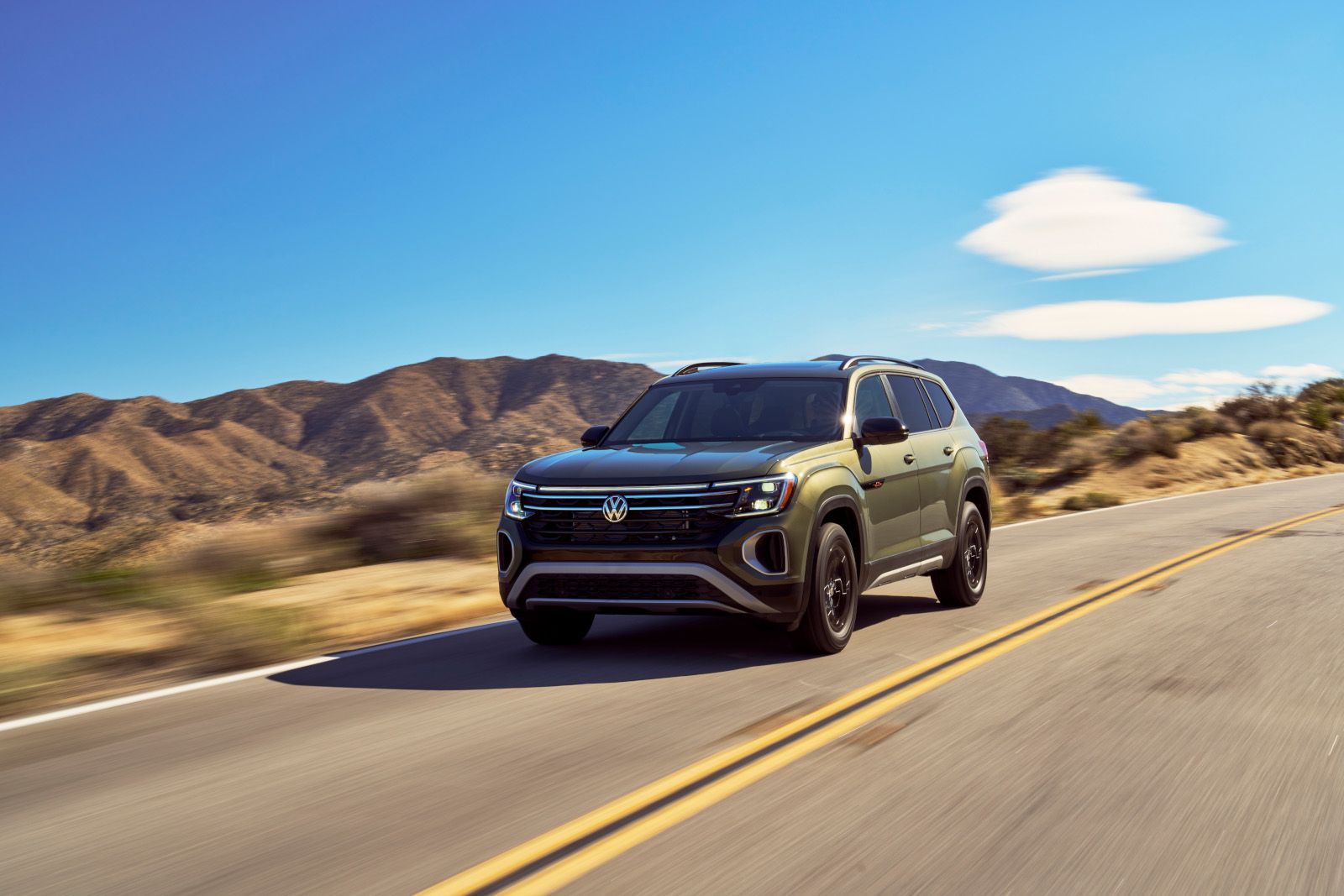
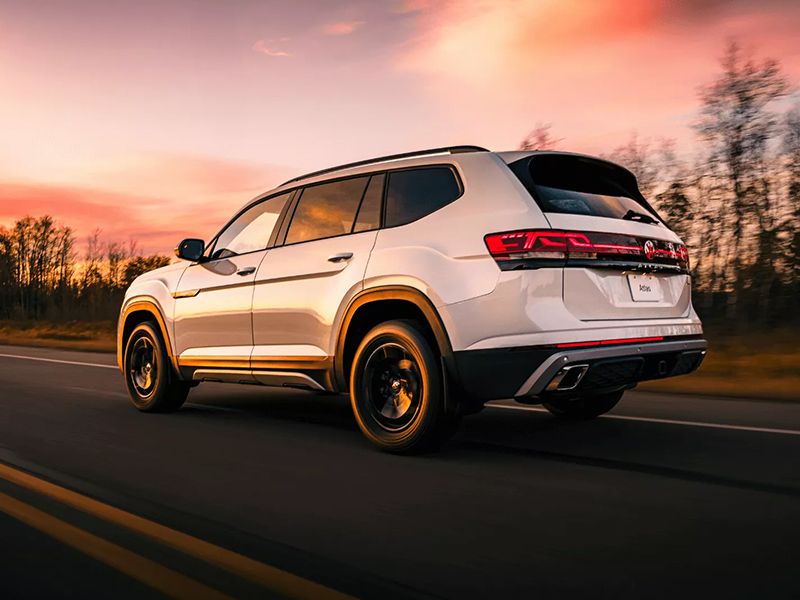
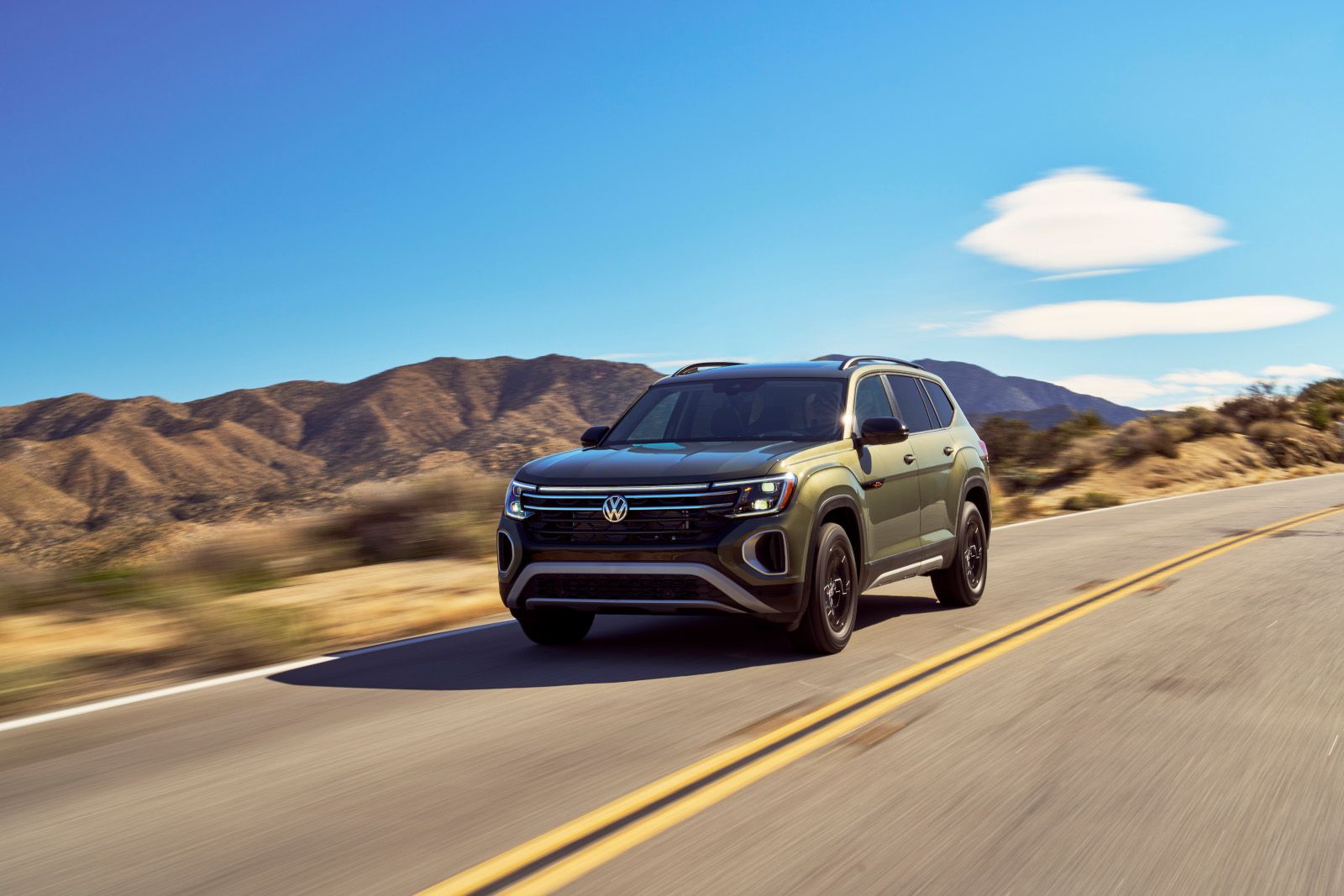
When families across Alberta start shopping for a capable hauler, pickup trucks often top the list. The logic seems sound—trucks offer cargo space, towing capacity, and all-wheel drive for winter conditions. But there's a compelling alternative that many shoppers overlook: the 2026 Volkswagen Atlas. This three-row SUV delivers the utility families actually need, wrapped in a more practical, weather-protected package that makes daily life in Medicine Hat considerably easier.

The Atlas challenges the pickup truck default with a straightforward value proposition: equivalent towing and cargo capacity, superior interior protection, better fuel efficiency, and a more comfortable ride for passengers. For families hauling kids, sports gear, and weekend adventure equipment rather than construction materials, the Atlas makes a strong case as the more rational choice.

Cargo Protection: Enclosed Beats Exposed

Pickup truck beds offer substantial volume, but that space comes with a significant limitation—everything sits exposed to Alberta's weather extremes. Summer sun degrades plastics and fabrics. Winter snow and road salt corrode metal and electronics. Spring rain soaks camping gear. Even with tonneau covers or caps, truck beds remain vulnerable to temperature swings and moisture infiltration.

The Atlas eliminates these concerns entirely. Its 2,735 litres of cargo space (with second and third rows folded) sits inside a climate-controlled, lockable cabin. Groceries stay frozen on hot summer drives. Sports equipment remains dry during spring storms. Electronics and tools avoid temperature-related damage. The enclosed cargo area also provides security—valuables stay hidden from view and protected by the vehicle's alarm system.

For families transporting children's gear, this protection proves particularly valuable. Car seats, strollers, and diaper bags don't accumulate road grime. Hockey equipment stays dry between practices. Weekend camping gear arrives at the destination in the same condition it left home.

Fuel Efficiency: Real-World Savings

The Atlas delivers 11.0 L/100 km combined fuel economy from its turbocharged 2.0-litre four-cylinder engine. Most mid-size pickup trucks with comparable capability consume 12–14 L/100 km in real-world driving, with full-size trucks often exceeding 15 L/100 km.

Over a typical year of 20,000 kilometres of driving, this difference translates to meaningful savings:

  • Atlas: ~2,200 litres of fuel annually
  • Mid-size truck: ~2,600 litres annually
  • Full-size truck: ~3,000 litres annually

At current Alberta fuel prices, families can save $600–1,200 per year by choosing the Atlas over a comparable truck. These savings compound over the typical 5–7 year ownership period, offsetting a significant portion of the vehicle's cost.

The efficiency advantage stems from the Atlas's aerodynamic design and lower curb weight (2,050 kg versus 2,200–2,500 kg for most trucks). The turbocharged engine delivers 269 hp and 273 lb-ft of torque—sufficient for highway merging and mountain passes—while maintaining reasonable fuel consumption.

Towing Capacity: Meeting Family Needs

The Atlas offers 2,268 kg (5,000 lbs) of towing capacity, matching or exceeding what most families actually require. This handles:

  • Mid-size travel trailers (up to 22 feet)
  • Utility trailers for home improvement projects
  • Boat trailers with mid-size watercraft
  • Equipment trailers for ATVs or motorcycles

While heavy-duty trucks can tow 4,500–6,800 kg, most families never approach these limits. The average travel trailer in Canada weighs 2,700–3,600 kg loaded—well within the Atlas's capability. For recreational towing, the Atlas provides sufficient capacity without the fuel penalty and higher purchase price of heavy-duty trucks.

The 4MOTION all-wheel drive system enhances towing stability, distributing power to all four wheels for improved control on boat launches and uneven terrain. The eight-speed automatic transmission includes a tow/haul mode that optimizes shift points and engine braking when pulling a trailer.

Seven-Passenger Seating: Space for Growing Families

Pickup trucks accommodate 5–6 passengers maximum, with rear seats that often feel cramped for adults. The Atlas seats seven across three rows, with genuine space for full-size adults in the second row and usable third-row seating for children or shorter adults.

The second-row seats slide and recline independently, allowing passengers to adjust their position for comfort on long drives. The 60/40 split-folding design provides cargo flexibility—fold one side for longer items while maintaining seating for five. The available captain's chairs package replaces the second-row bench with individual seats, creating a more premium configuration with easier third-row access.

For families with multiple children, this seating advantage proves decisive. The Atlas accommodates car seats across all three rows, with ISOFIX anchors in the second row and tether anchors in the third. Pickup trucks force families to choose between cargo space and passenger capacity—the Atlas eliminates this compromise.

All-Season Capability: Engineered for Canadian Winters


Medicine Hat experiences temperature extremes from -30°C winter lows to +35°C summer highs, with unpredictable spring and fall conditions. The Atlas handles this climate variability better than pickup trucks in several key areas.

The 4MOTION all-wheel drive system continuously monitors traction and distributes power between front and rear axles as needed. On snow-covered roads, this provides more predictable handling than rear-wheel drive trucks, which can fishtail when unloaded. The Atlas's lower centre of gravity (compared to lifted trucks) enhances stability in crosswinds and reduces rollover risk.

The heated front seats, heated steering wheel, and three-zone climate control ensure all passengers remain comfortable during winter commutes. The enclosed cabin also provides practical cold-weather advantages. Remote start (standard on Highline and Execline trims) warms the entire interior, not just the cab. Rear passengers benefit from the same climate control as front occupants—a significant comfort improvement over pickup truck rear seats.

Daily Driving: Comfort and Convenience

Pickup trucks excel at specific tasks, but most families spend 90% of their time on routine errands, school runs, and highway commutes. In these daily-use scenarios, the Atlas provides a more refined experience.

The ride quality favours passenger comfort over payload capacity. The independent rear suspension absorbs road imperfections without transmitting harsh impacts to occupants. Wind noise remains low at highway speeds thanks to aerodynamic shaping and sound insulation. The cabin feels quieter and more composed than truck interiors, which often transmit road noise through the bed and frame.

Parking proves easier in the Atlas despite its 5,097 mm length. The rearview camera (Highline) and Area View 360° system (Execline) provide clear views of the vehicle's surroundings, making tight parking spots manageable. Park Distance Control alerts drivers to obstacles front and rear. Pickup trucks require more space and offer limited rear visibility, especially with tonneau covers or caps installed.

Technology and Safety: Modern Family Protection

The Atlas includes Volkswagen's IQ.DRIVE suite of driver assistance features as standard equipment:

  • Travel Assist: Combines adaptive cruise control, lane keeping, and emergency assist for semi-automated highway driving
  • Front Assist: Automatic emergency braking with pedestrian and cyclist detection
  • Side Assist: Blind spot monitoring with rear traffic alert and exit warning
  • Light Assist: Automatic high-beam control

These systems work together to reduce driver fatigue on long trips and provide additional protection in emergency situations. The Atlas earned a 5-star overall safety rating from NHTSA, with strong scores across all crash test categories.

The infotainment system centres on a 12.0-inch touchscreen (Highline and Execline trims) with wireless Apple CarPlay and Android Auto. The Volkswagen Digital Cockpit Pro replaces traditional gauges with a configurable 10.25-inch display. The Harman Kardon premium audio system (standard on Highline and above) delivers concert-quality sound across 10 speakers plus subwoofer.

When a Truck Still Makes Sense

The Atlas excels for family transportation, but pickup trucks remain the better choice for specific use cases:

  • Heavy towing: Trailers exceeding 2,268 kg require a truck's greater capacity
  • Payload hauling: Bulk materials (gravel, lumber, firewood) load more easily into truck beds
  • Commercial use: Contractors need truck beds for tools and equipment
  • Extreme off-roading: High ground clearance and underbody protection favour trucks

For families whose primary needs centre on passenger comfort, cargo protection, and occasional towing, the Atlas delivers superior value. The key question isn't "Can a truck do this?"—it's "What does my family actually need?"

Experience the 2026 Atlas at Straightline Volkswagen Medicine Hat

The choice between a pickup truck and the 2026 Volkswagen Atlas ultimately depends on how you'll use the vehicle daily. For families in Medicine Hat seeking a capable hauler that prioritizes passenger comfort, cargo protection, and fuel efficiency, the Atlas presents a compelling alternative to the default truck purchase.

Our team at Straightline Volkswagen Medicine Hat invites you to experience the Atlas firsthand. Schedule a test drive to evaluate the cargo space, seating configuration, and technology features in person. We'll help you assess whether the Atlas's practical advantages align with your family's specific needs—no pressure, just honest guidance based on how you'll actually use the vehicle.

Contact us today to arrange your Atlas test drive and discover whether this three-row SUV offers the smarter solution for your family's transportation needs.