

Photo for illustrative purposes only.
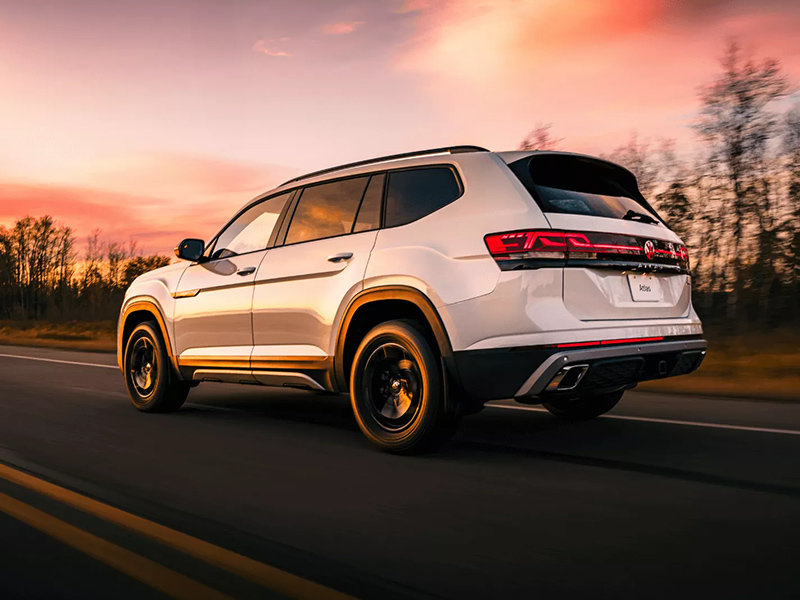
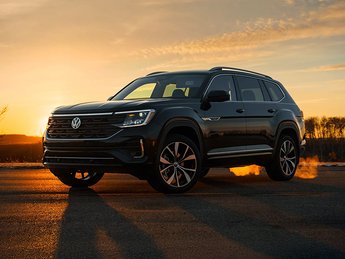
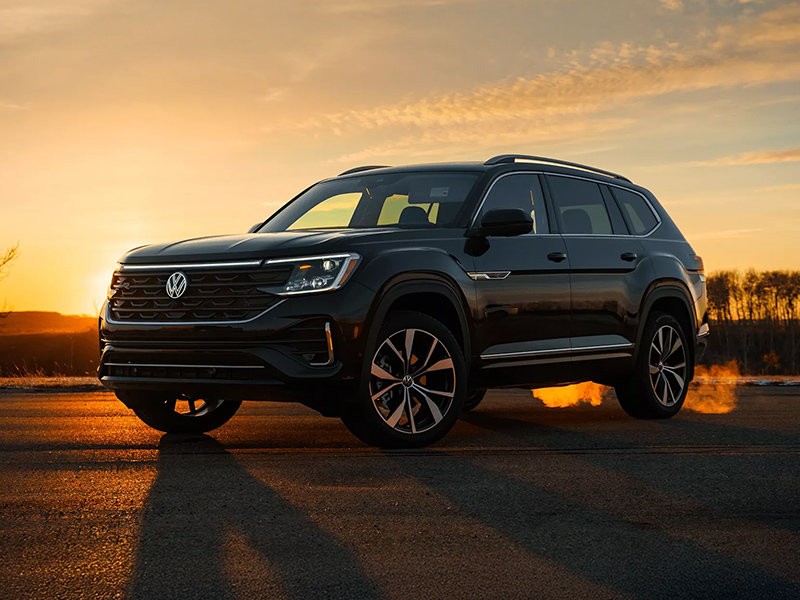
Find out moreThe 2026 Volkswagen Atlas remains one of the largest vehicles in the brand’s lineup, designed with families and active lifestyles in mind. With three rows of seating, substantial cargo capacity, and a turbocharged powertrain paired with all-wheel drive, the Atlas aims to deliver space and capability without straying from the composed road manners expected of a Volkswagen.
Below, we address the most common questions buyers have about the latest Atlas, from performance and towing to interior space and available features.
The 2026 Atlas is powered by a turbocharged 2.0-litre TSI engine producing 269 horsepower and 273 lb-ft of torque. Peak torque arrives low in the rev range—between 1,600 and 4,750 rpm—providing strong mid-range response for merging and passing. Power is delivered through an eight-speed automatic transmission, and Volkswagen’s 4MOTION all-wheel-drive system is standard.
For a three-row SUV of this size, the output strikes a balance between confident acceleration and everyday drivability. It’s tuned less for outright sportiness and more for smooth, steady power delivery suited to family use.
Yes. When properly equipped, the 2026 Atlas can tow up to 5,000 pounds with a braked trailer. That capacity makes it suitable for hauling small boats, utility trailers, or compact campers. Combined with standard all-wheel drive, the Atlas is positioned as a practical choice for households that require occasional towing without moving up to a full-size body-on-frame SUV.
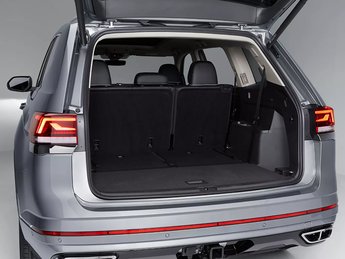
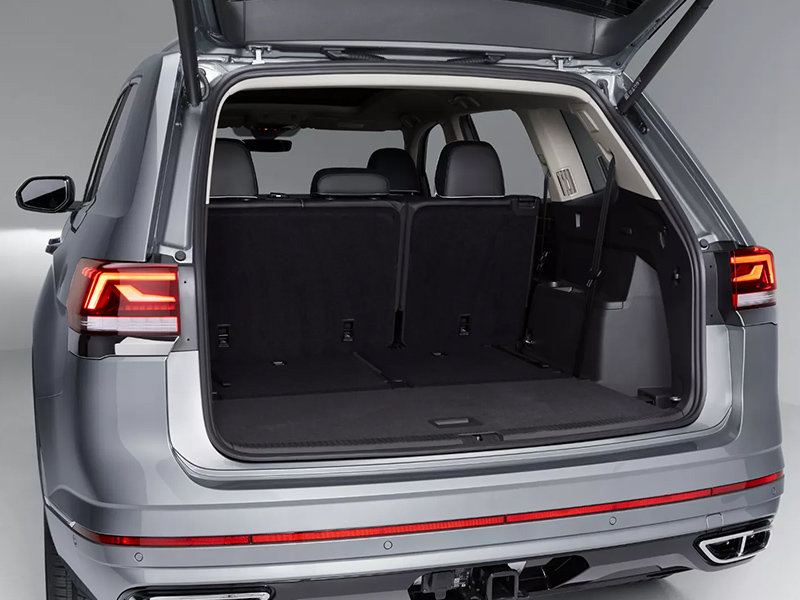
Interior room is a defining characteristic of the Atlas. Total passenger volume reaches 4,352 litres in models without a sunroof (4,267 litres with one installed). Cargo capacity is equally generous:
These figures place the Atlas among the most spacious entries in its class. Even with all three rows upright, there is usable cargo room for groceries or sports gear.
The third row provides 1,110 litres of passenger volume and is designed to accommodate more than just small children. While it remains best suited for shorter trips when occupied by adults, the Atlas distinguishes itself with a relatively accommodating third-row layout compared to many competitors.
Families who frequently carry six or seven occupants will appreciate the flexibility, especially on road trips.
The standard configuration provides seating for seven passengers. However, buyers opting for the available Captain’s Chair package in Highline and Execline trims can choose a six-passenger layout with second-row captain’s chairs. This setup enhances comfort and creates a more accessible pathway to the third row.
The versatility allows buyers to tailor the interior to their specific needs, whether prioritizing maximum occupancy or added second-row comfort.
Front-row occupants benefit from 1,058 mm of legroom and up to 1,049 mm of headroom (slightly reduced with the sunroof). Shoulder room measures 1,563 mm, offering ample space for two adults.
In the second row, legroom stands at 955 mm, with generous hip and shoulder measurements that contribute to a comfortable seating position. These dimensions reinforce the Atlas’s reputation as a genuinely roomy family SUV.
The estimated combined fuel consumption is rated at 10.7 L/100 km. For a seven-passenger SUV with standard all-wheel drive and substantial interior volume, that figure is competitive within the segment. The turbocharged four-cylinder engine plays a role here, delivering adequate performance without the higher consumption typically associated with larger-displacement engines.
Volkswagen has focused on creating a refined cabin environment. Higher trims offer quilted, diamond-stitched leather seating surfaces, metallic accents, and a floating centre console that provides additional storage beneath. The layout is clean and contemporary, consistent with Volkswagen’s restrained design philosophy.
Ambient lighting with up to 30 selectable colours is available, allowing occupants to customize the cabin atmosphere. The effect is subtle rather than flashy, contributing to a more upscale feel.
Several design and convenience elements enhance everyday usability:
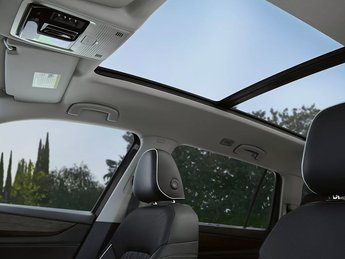
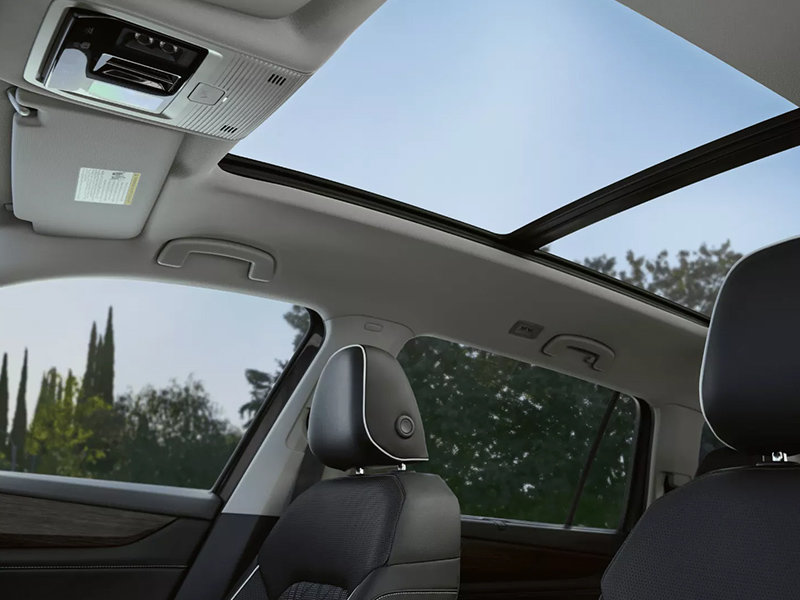
Available LED lighting improves visibility and gives the Atlas a modern front-end signature. A panoramic sunroof brings additional natural light into the cabin. The Easy Open liftgate simplifies access to the cargo area, particularly when hands are full. R-Line styling packages introduce sportier visual cues for those seeking a more assertive look.
The Atlas is designed primarily for families who require space above all else. With seating for up to seven, substantial cargo flexibility, and a 5,000-pound towing rating, it serves households that regularly transport passengers and equipment.
At the same time, it offers a composed driving experience and a refined cabin, making it suitable for daily commuting as well as long-distance travel. It bridges the gap between practicality and comfort without moving into full-size SUV territory.
The 2026 Volkswagen Atlas continues to emphasize what has defined it from the start: interior space, flexibility, and straightforward capability. Its turbocharged engine, standard all-wheel drive, and strong towing capacity provide functional performance, while the expansive cabin and thoughtful features make it well-suited to growing families.
Rather than chasing trends, the Atlas focuses on delivering tangible advantages—room, versatility, and usability. For buyers prioritizing space in a three-row SUV, it remains a compelling option in the segment.
Photo for illustrative purposes only.
Find out more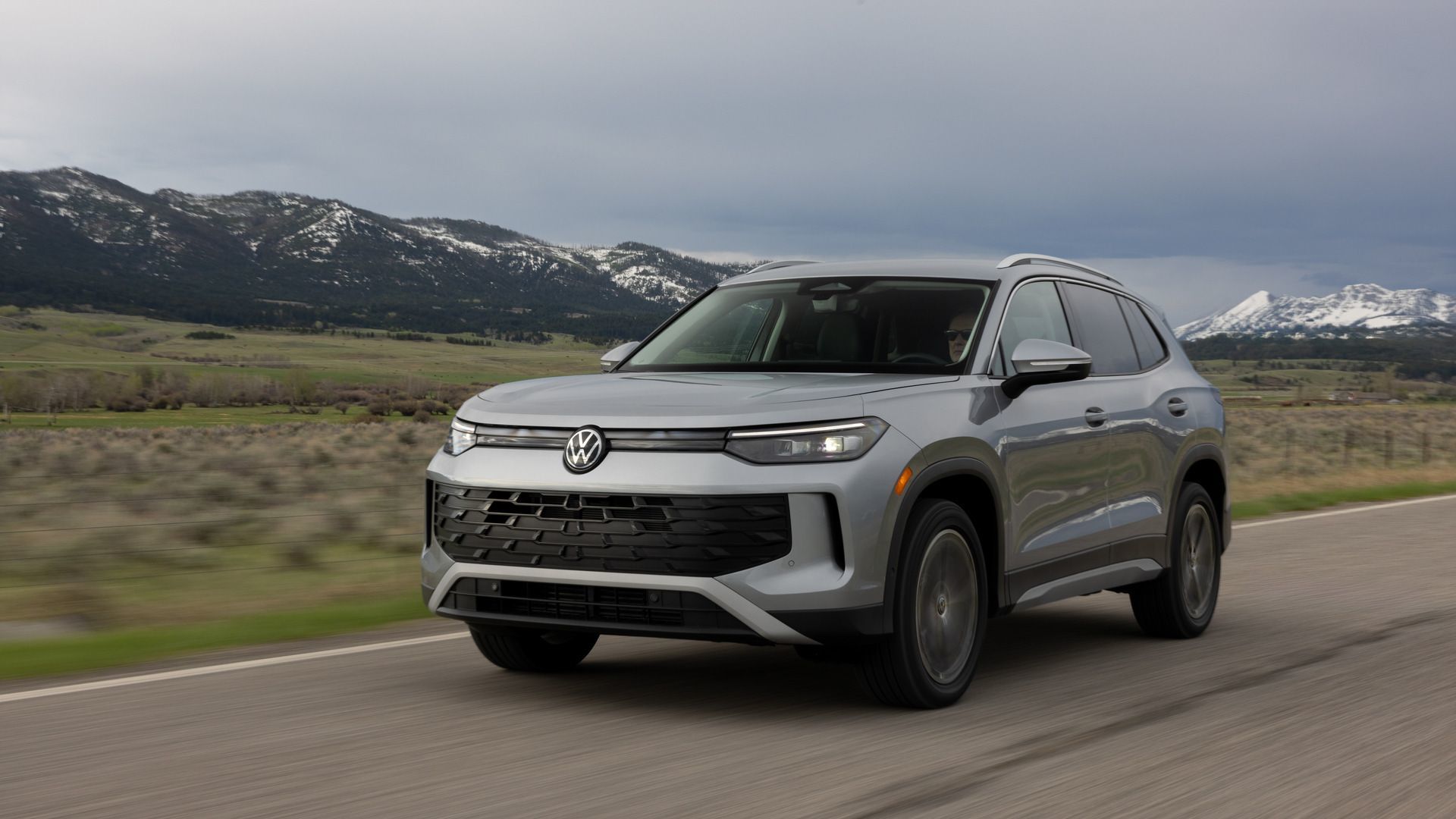
What 4MOTION Active Control Adds on Snow and Ice in the 2026 Volkswagen Tiguan
Alberta weather does not wait for winter to make roads unpredictable. Wet pavement, sudden temperature drops, and early frost can all show up...
Read more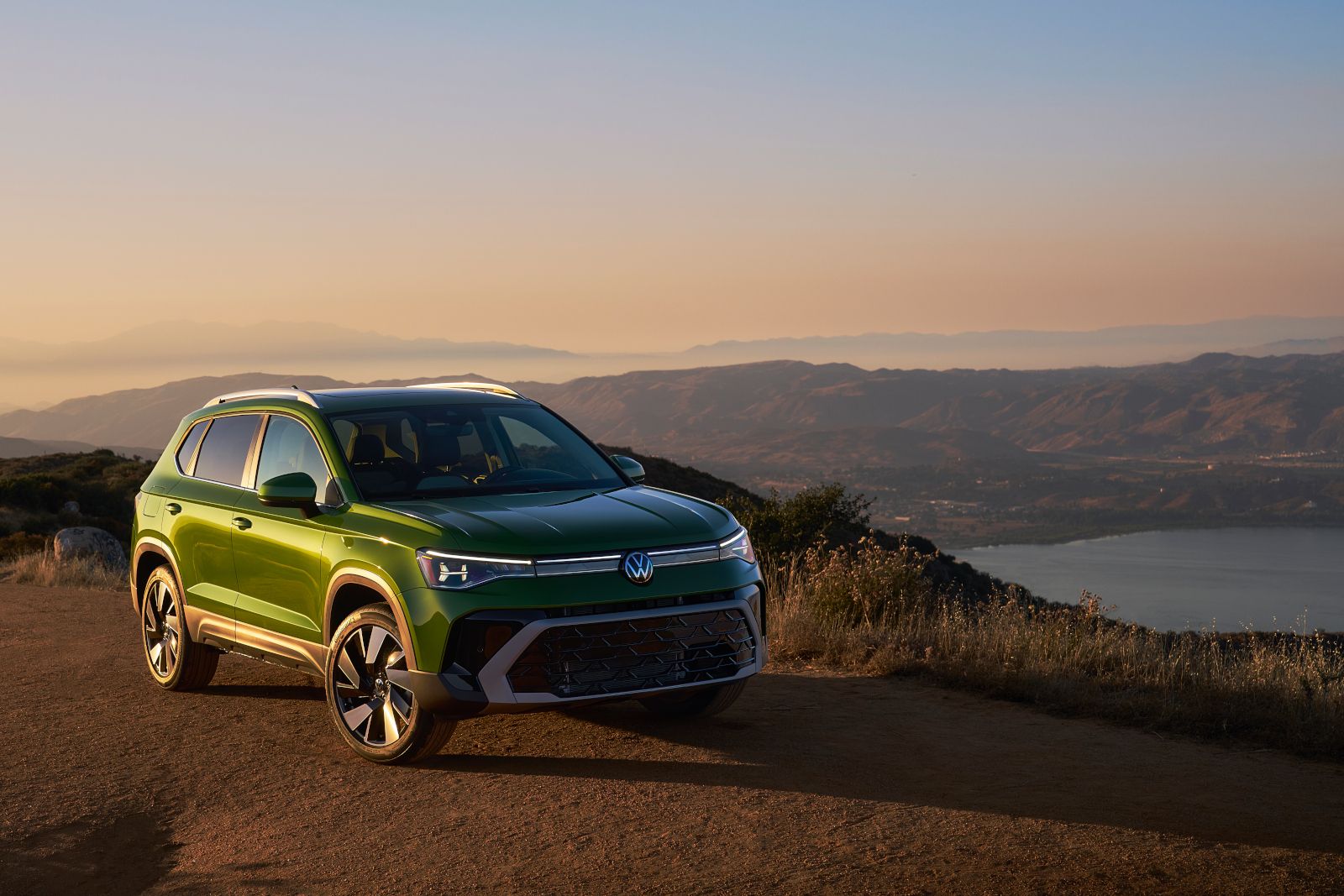
How Efficient Is the 2026 Volkswagen Taos for Daily Commuting?
Most commutes in Alberta aren’t epic road trips. They’re the drive to work, the school run, and a grocery stop squeezed in between. The 2026...
Read more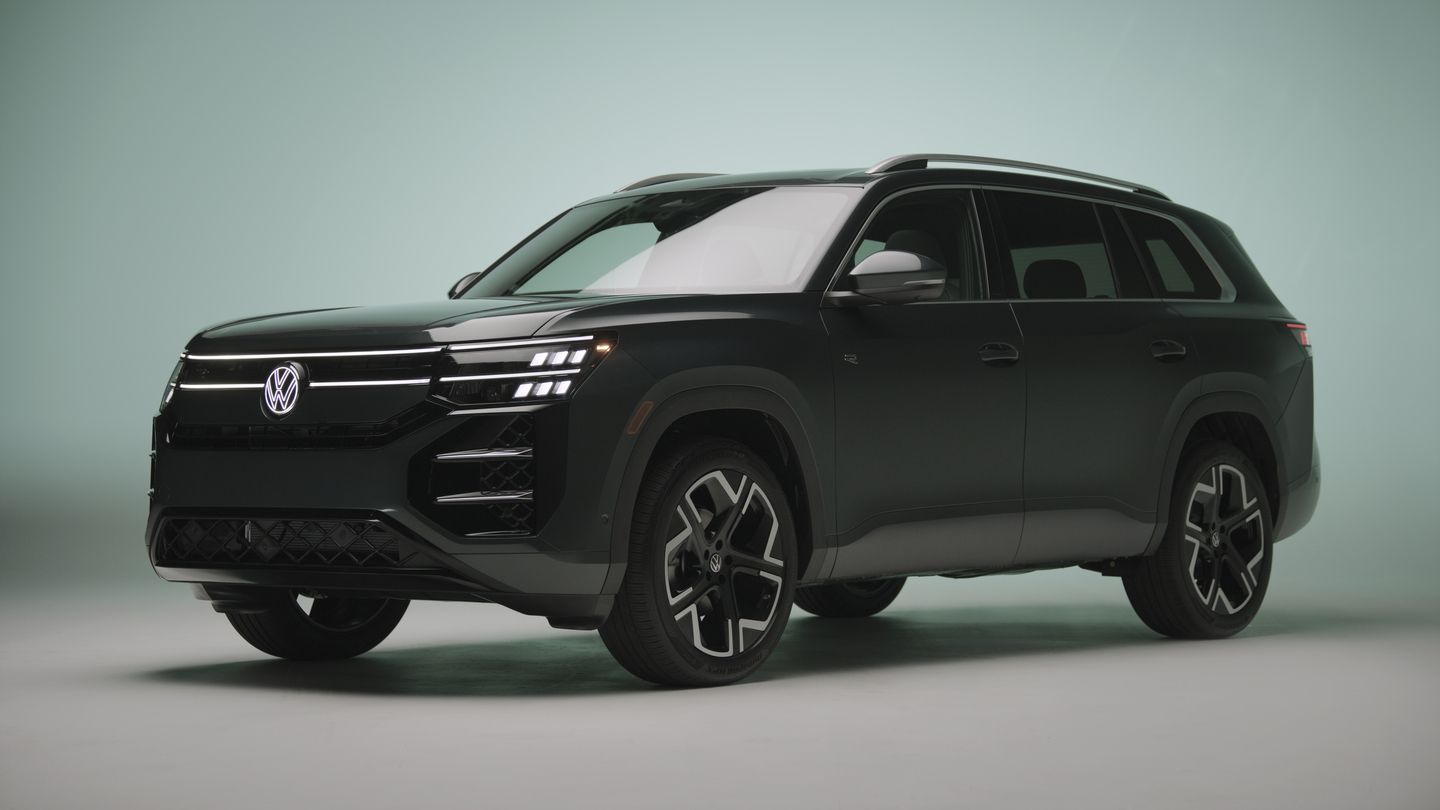
How Does the All-New Second-Generation 2027 Volkswagen Atlas Redefine Family SUVs?
The 2027 Volkswagen Atlas lands as the second generation of a three-row SUV that’s spent years earning a spot on Alberta family shortlists. This...
Read morePowered and developed by