

Photo for illustrative purposes only.
Find out more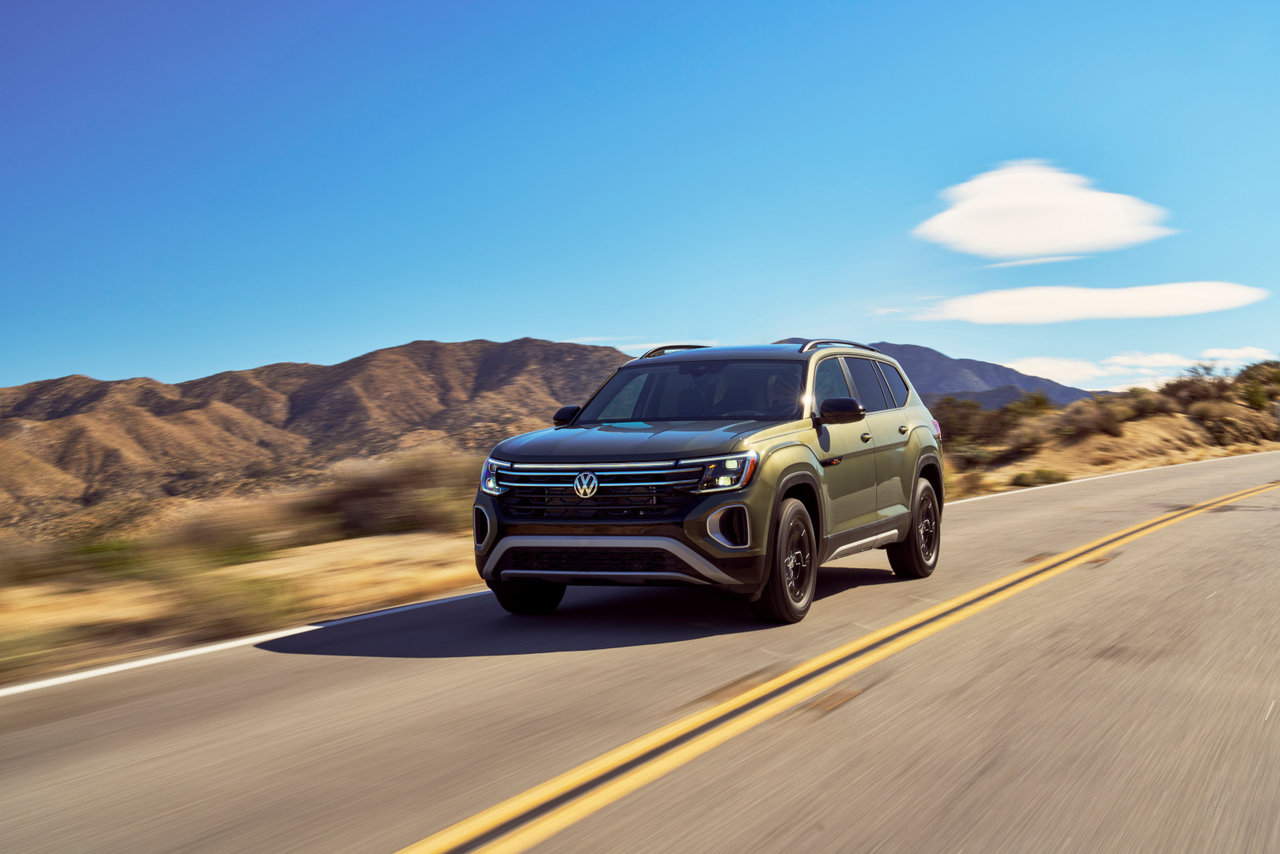
Choosing between two well-equipped SUVs from the same manufacturer can feel tricky, especially when both deliver strong performance and family-friendly features. The 2026 Volkswagen Atlas and the 2026 Volkswagen Atlas Cross Sport share much of their DNA, from their 2.0 TSI turbocharged engine to their 4MOTION All-Wheel Drive system. Both models earned Government 5-Star Safety Ratings and come loaded with IQ.DRIVE features, making them solid choices for families across Alberta.
The real question is whether you need maximum seating capacity and cargo flexibility, or if you prefer a more compact footprint with a sportier stance. Understanding the differences between these two models helps you match the right SUV to your family's daily needs, weekend adventures, and long-term priorities.
|
Feature |
Atlas |
Atlas Cross Sport |
|
Seating Capacity |
7 passengers |
5 passengers |
|
Length |
5,097 mm |
4,968 mm |
|
Height |
1,787 mm |
1,729 mm |
|
Curb Weight |
2,050 kg |
1,985 kg |
|
Towing Capacity |
5,000 lb (2,268 kg) |
5,000 lb (2,268 kg) |
|
Engine |
2.0 TSI turbocharged (269 hp, 273 lb-ft) |
2.0 TSI turbocharged (269 hp, 273 lb-ft) |
|
Cargo Space (seats folded) |
2,735 L |
2,197 L |
Both the Atlas and Atlas Cross Sport deliver identical powertrain performance. The 2.0 TSI turbocharged engine produces 269 hp and 273 lb-ft of torque, paired with an 8-speed automatic transmission with Tiptronic and 4MOTION All-Wheel Drive. This setup provides confident acceleration and smooth power delivery when merging onto Highway 1 or navigating winter conditions.
Fuel economy remains consistent across both models, with the Atlas achieving a combined rating of 11.0 L/100 km and the Cross Sport at 10.7 L/100 km. The start/stop system with regenerative braking helps maximize efficiency during city driving, while Driving Profile Selection lets you choose ECO mode for longer trips or adjust settings based on road conditions.
Towing capacity is identical at 5,000 lb (2,268 kg) for both SUVs, making either model capable of hauling trailers, boats, or campers for family getaways. The towing package comes standard, though it does not include the mount and ball.
The most noticeable difference between these two SUVs lies in their exterior dimensions. The Atlas measures 5,097 mm in length and stands 1,787 mm tall, while the Atlas Cross Sport comes in at 4,968 mm long and 1,729 mm high. The Cross Sport's reduced length (129 mm shorter) and lower roofline (58 mm) give it a sleeker, more athletic appearance.
Despite the size difference, both models share the same 2,980 mm wheelbase and 1,990 mm width (excluding mirrors). The Atlas weighs 2,050 kg, while the Cross Sport tips the scales at 1,985 kg - a difference of 65 kg that has minimal impact on everyday driving dynamics.
Families who frequently park in tight urban spaces or prefer easier maneuverability may appreciate the Cross Sport's more compact footprint. The Atlas offers a taller profile that some drivers find easier to enter and exit, particularly when loading child seats or helping older passengers.

The Atlas accommodates seven passengers across three rows and delivers 2,735 L of maximum cargo space with all rear seats folded down. This makes it the clear choice for larger families or those who regularly transport multiple passengers.
The Atlas Cross Sport offers a different configuration with seating for five passengers across two rows. Its shorter length and lower roofline create a more compact cabin footprint, prioritizing a sportier aesthetic over maximum seating capacity. The Cross Sport provides 2,197 L of cargo space with the rear seats folded, offering substantial room for weekend gear, sporting equipment, or family road trip luggage.
The Atlas's taller roofline provides generous headroom across all three rows, which matters for growing teenagers or taller adults. The Cross Sport maintains comfortable seating in its two rows while delivering a more dynamic silhouette.
Both models feature 60/40-split folding rear seats with centre armrests. The Atlas adds "Easy Access" functionality to reach the third row, while the Cross Sport's two-row layout simplifies cargo loading.
The Atlas Cross Sport Highline 4MOTION trim includes several premium features that enhance convenience and connectivity. The 12.0-inch touchscreen infotainment system comes with navigation system Discover Pro, wireless App-Connect (Android Auto and Apple CarPlay), and voice control. The Harman Kardon Premium Audio System with 10 speakers plus subwoofer delivers rich sound quality for family road trips.
Additional highlights include the Volkswagen Digital Cockpit Pro (10.25-inch configurable instrument cluster), wireless charging for compatible devices, and the myVW mobile app with myVW+ connected vehicle services. Remote start, KESSY keyless access with push-start button, and a power tailgate with Easy Open and Easy Close function add everyday convenience.
Safety technology includes the Area View 360° camera system, Adaptive Cruise Control with Stop & Go, Park Distance Control with front and rear sensors, and a rearview camera with dynamic guidance lines. Rain-sensing wipers and heated washer nozzles help maintain visibility during Alberta winters.
The Atlas Highline 4MOTION offers similar technology features, including the same infotainment system, Discover Pro navigation, and Harman Kardon audio. Both models come equipped with Travel Assist (Adaptive Cruise Control, Lane Assist, and Emergency Assist), Side Assist with Rear Traffic Alert, and Front Assist with Automatic Emergency Braking.
If your family regularly transports more than five people, needs maximum cargo capacity, or prefers a commanding SUV presence, the Atlas delivers those qualities with its three-row configuration and 2,735 L of cargo space. Families with younger children, frequent carpooling duties, or a preference for easier entry and exit may lean toward the Atlas's larger dimensions.
The Atlas Cross Sport appeals to drivers who want strong performance and capability in a more streamlined package. Its lower roofline and reduced length create a sportier look while maintaining the same powertrain and towing capacity. Families with two children or those who value easier parking, a more dynamic appearance, or a lighter curb weight may find the Cross Sport better suited to their lifestyle.
Both models offer the same engine performance, towing capacity, and advanced safety features, so your decision comes down to seating needs and styling preferences. Test driving both models helps clarify which dimensions and proportions feel most comfortable for your family.
The 2026 Volkswagen Atlas and Atlas Cross Sport each bring strong credentials to the family SUV segment, from their turbocharged performance and 4MOTION All-Wheel Drive to their advanced safety features. If you choose the Atlas's three-row versatility or the Cross Sport's athletic profile, you'll benefit from Volkswagen's dedication to quality engineering and thoughtful design.
Our team at Straightline Volkswagen is ready to help you explore both models, answer your questions, and arrange test drives so you can experience the differences in person.
Photo for illustrative purposes only.
Find out more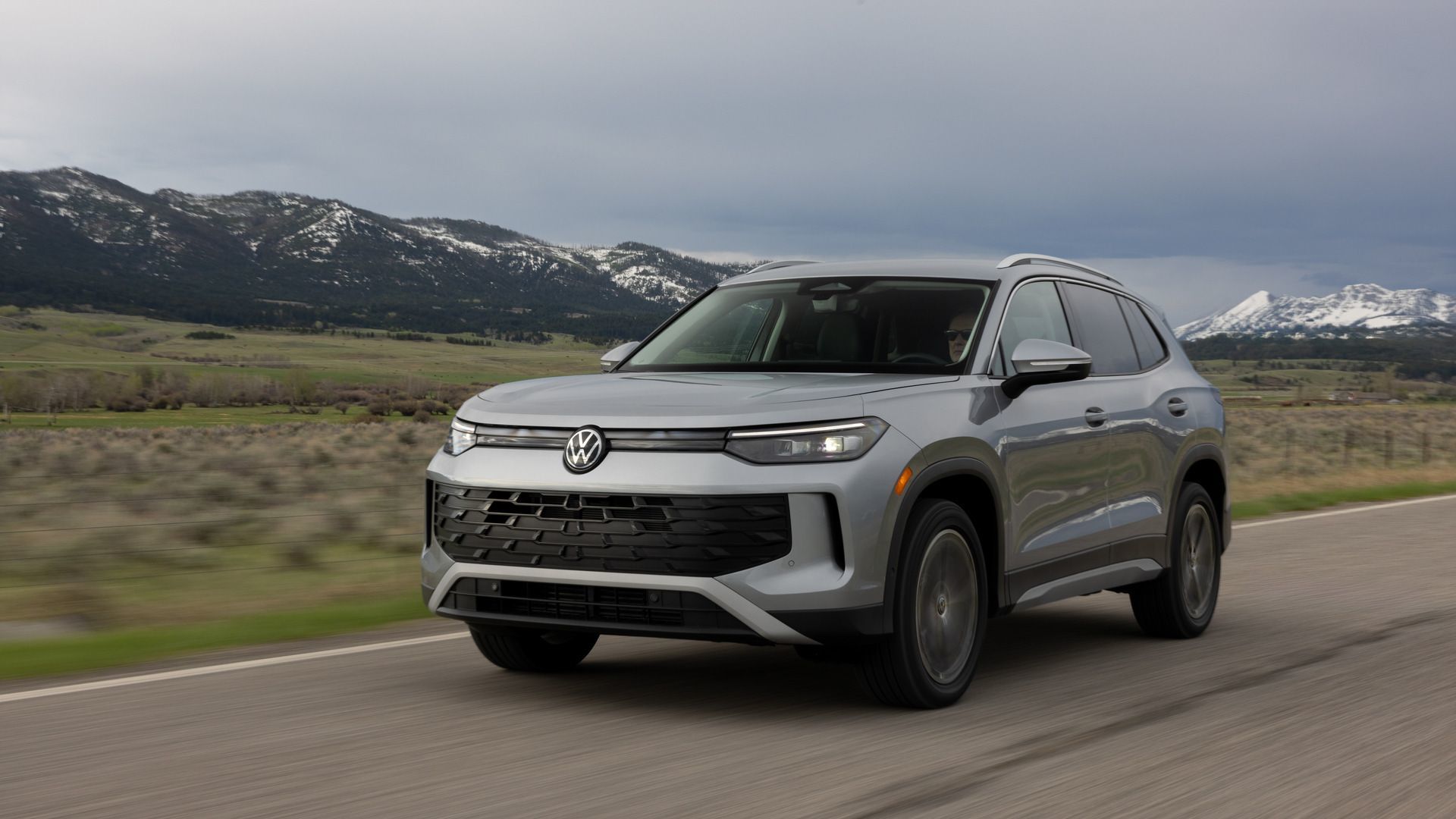
What 4MOTION Active Control Adds on Snow and Ice in the 2026 Volkswagen Tiguan
Alberta weather does not wait for winter to make roads unpredictable. Wet pavement, sudden temperature drops, and early frost can all show up...
Read more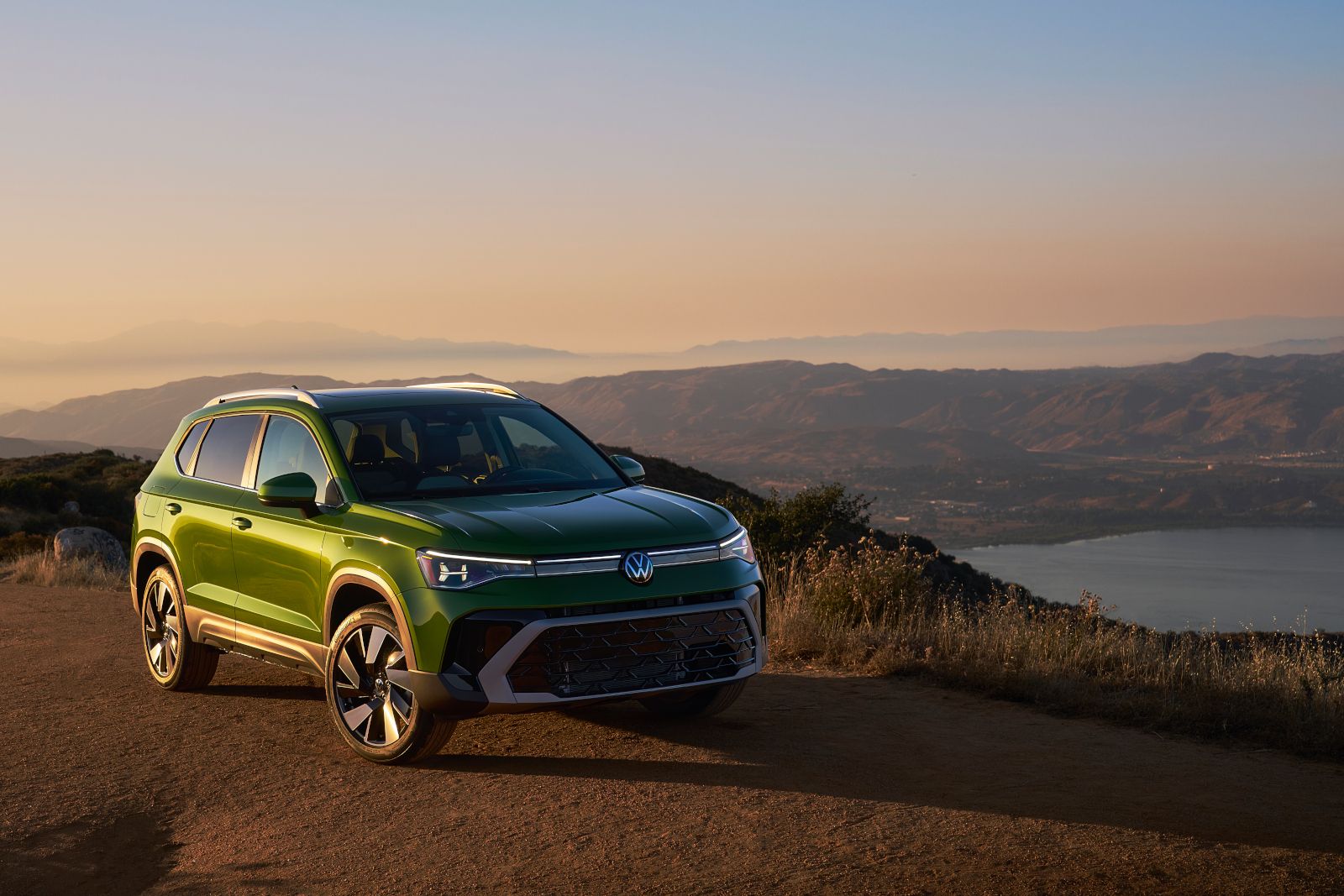
How Efficient Is the 2026 Volkswagen Taos for Daily Commuting?
Most commutes in Alberta aren’t epic road trips. They’re the drive to work, the school run, and a grocery stop squeezed in between. The 2026...
Read more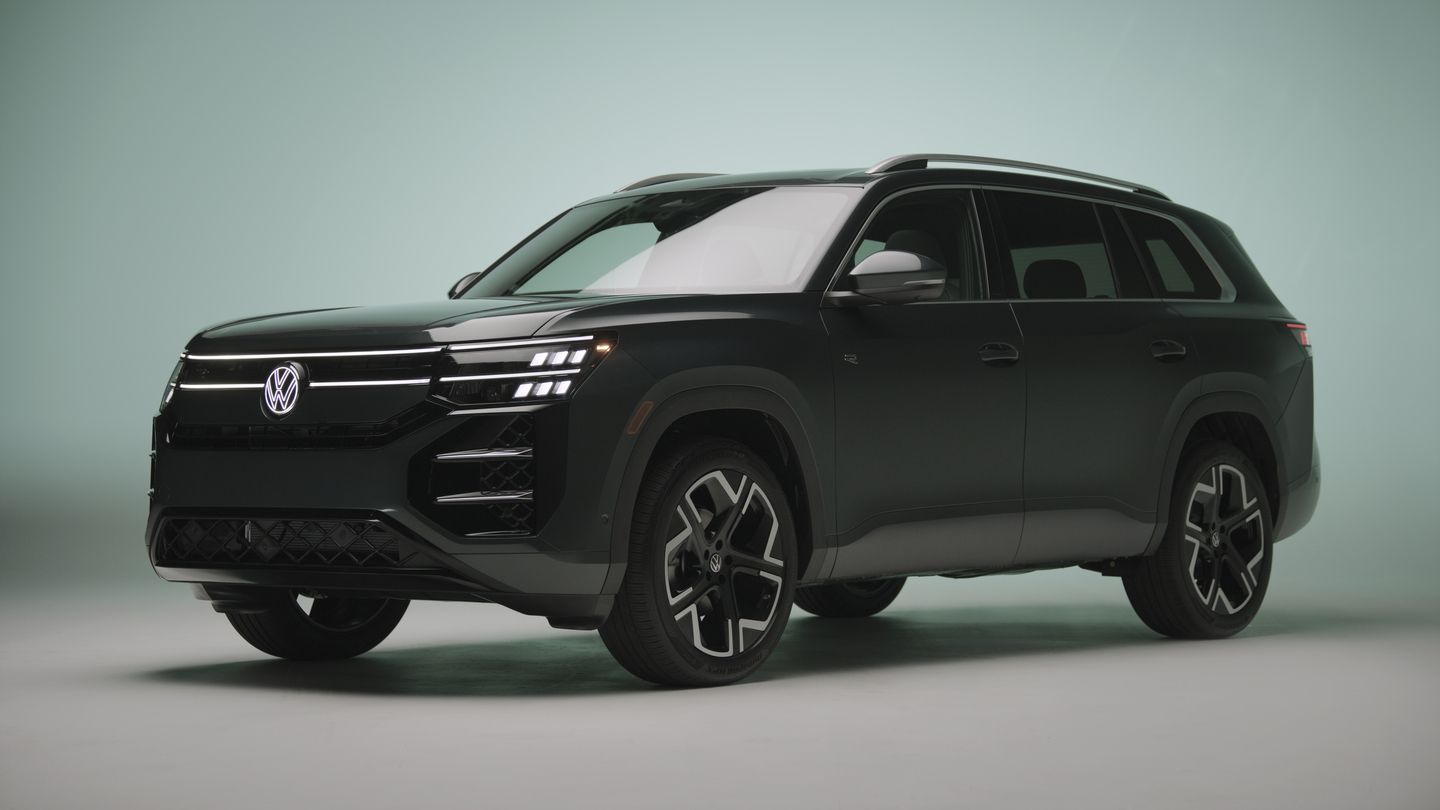
How Does the All-New Second-Generation 2027 Volkswagen Atlas Redefine Family SUVs?
The 2027 Volkswagen Atlas lands as the second generation of a three-row SUV that’s spent years earning a spot on Alberta family shortlists. This...
Read morePowered and developed by