
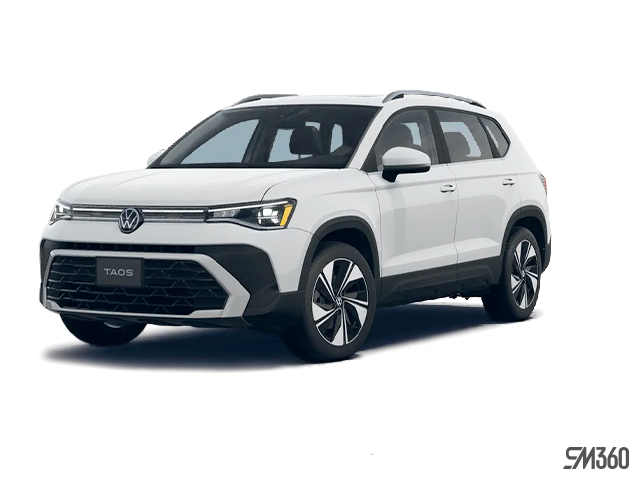
Photo for illustrative purposes only.
Find out more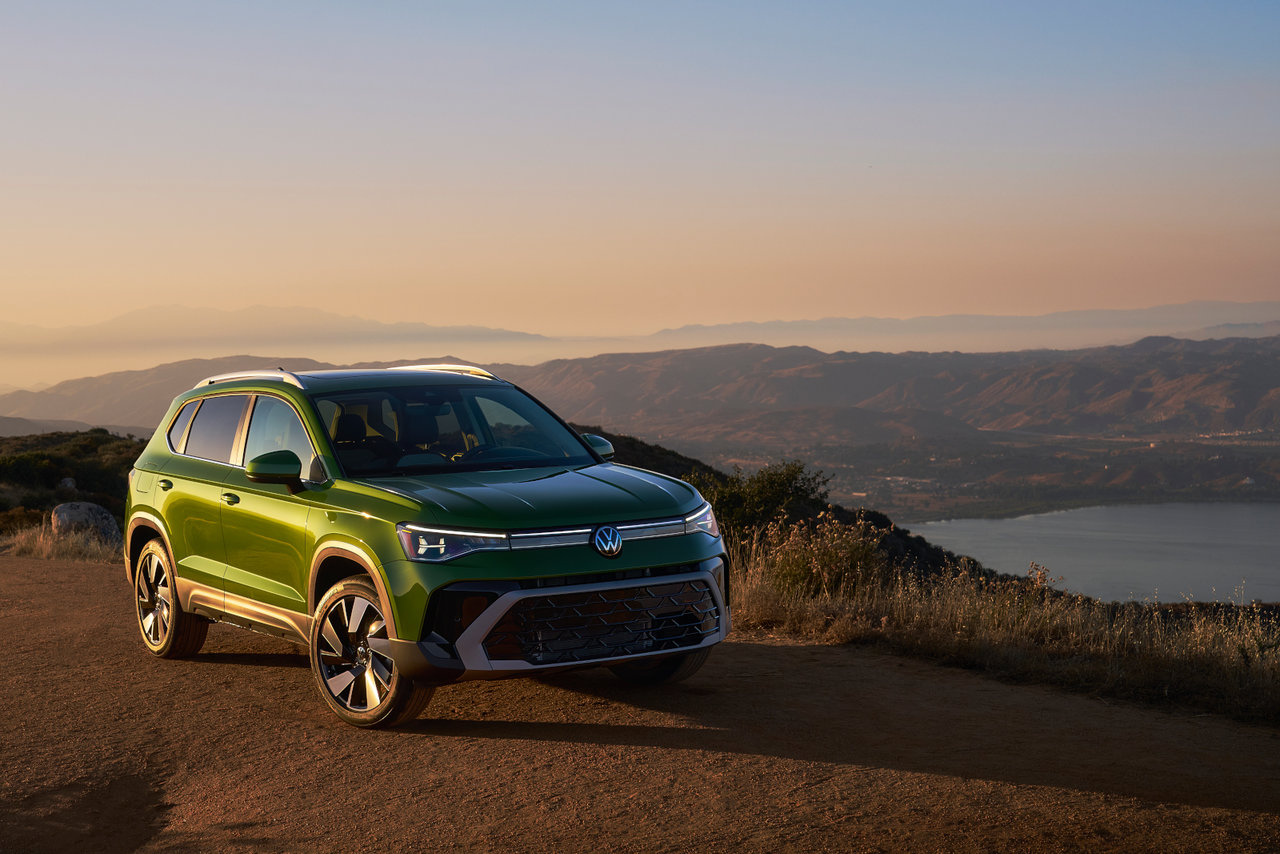
Most commutes in Alberta aren’t epic road trips. They’re the drive to work, the school run, and a grocery stop squeezed in between. The 2026 Volkswagen Taos is built around exactly that kind of driving.
This compact SUV skips the long-haul adventure marketing and focuses on something more useful for daily life: a manageable footprint, a fuel-efficient engine, and driver aids that make city traffic less tiring.
The Taos is a compact SUV, not a three-row hauler or an off-road machine. At 4,467 mm long and 2,097 mm wide, it’s sized to slide into tight parking stalls and narrow lanes without feeling like a chore to park.
That sizing matters more than horsepower for most owners. A vehicle you can place confidently in a packed lot, or back out of a tight garage, saves real time and stress on a daily basis.
Every 2026 Taos uses the same 1.5 L turbocharged 4-cylinder engine, making 174 hp and 184 lb-ft of torque, paired with an 8-speed automatic transmission. It’s tuned for smooth, responsive daily driving rather than outright speed.
The drivetrain choice is where the efficiency conversation actually happens. The Trendline comes with front-wheel drive (FWD), while the Trendline 4MOTION® and every trim above it move to all-wheel drive (AWD). This isn’t a full trim walk, just one decision point: traction versus fuel use.
FWD models are rated at 7.4 L/100 km combined (8.3 city, 6.4 highway). Move to 4MOTION® AWD and combined consumption rises to 8.4 L/100 km (9.4 city, 7.2 highway). That gap comes from added weight and drivetrain hardware, not a different engine.
|
Drivetrain |
City |
Highway |
Combined |
|
FWD |
8.3 L/100 km |
6.4 L/100 km |
7.4 L/100 km |
|
4MOTION® AWD |
9.4 L/100 km |
7.2 L/100 km |
8.4 L/100 km |
Stop-and-go traffic leans on the city figure, since idling and low-speed acceleration use more fuel per kilometre than steady cruising. A commuter doing mostly urban streets will see numbers closer to the city rating than the combined one.
Highway merges and longer stretches pull the average down toward the highway figure, which is the Taos’s most efficient number regardless of drivetrain. A mixed commute, some city streets and a stretch of highway, will land closest to the combined rating.
These are estimated figures. Actual results shift with driving habits, cargo load, weather, and road conditions, so treat them as a planning tool rather than a promise.

Alberta winters bring stretches of snow, ice, and variable road grip. For a commuter who values traction confidence on those days more than shaving fuel costs, the 4MOTION® AWD system is a reasonable trade against the FWD Trendline’s lower consumption.
This isn’t about winter-prep hardware or seasonal accessories. It’s about which drivetrain suits the commute a driver already has, season after season, not just the snowy months.
The Trendline includes Adaptive Cruise Control with Stop & Go, Front Assist automatic emergency braking, and Side Assist blind spot monitoring with rear traffic alert as standard equipment. Travel Assist bundles adaptive cruise, lane assist, and emergency assist for extended highway stretches.
A rearview camera with guidance lines is standard from the base trim, helping with the tight lots and multi-point turns that come with school runs and office parking. Higher trims add Park Distance Control with front and rear sensors for even tighter manoeuvring.
The Trendline’s Volkswagen Digital Cockpit runs an 8-inch instrument cluster alongside an 8-inch touchscreen, with wireless Android Auto and Apple CarPlay included from the base trim. Moving up to Comfortline 4MOTION® brings a 10.25-inch configurable Digital Cockpit Pro cluster and wireless charging for compatible devices.
The myVW mobile app adds remote access, vehicle alerts, and a vehicle health report, which helps keep the logistics of a daily commute (fuel level, service reminders, remote start where equipped) off the driver’s mental list while behind the wheel.
Fuel efficiency is only part of a commuter’s math. The Taos offers 1,866 L of cargo volume behind the rear seats, the same figure with the seats folded down, plus 60/40 split-folding rear seats with a centre armrest and pass-through.
That’s enough room for grocery runs, gym bags, and the odd hockey bag or stroller without needing to plan the trunk like a puzzle. For a commuter juggling work and family stops in one drive, that flexibility matters as much as the litres-per-100-km figure.
The 2026 Taos pairs a fuel-efficient 1.5 L turbo engine with a drivetrain choice that lets Alberta commuters weigh efficiency against traction confidence. Cargo room, driver aids, and connected tech round out a vehicle built around daily use rather than occasional adventure.
Visit Straightline Volkswagen in Medicine Hat to compare Taos trims and talk through which drivetrain fits your commute, then book a walkaround or test drive to see it firsthand.
Photo for illustrative purposes only.
Find out more
What 4MOTION Active Control Adds on Snow and Ice in the 2026 Volkswagen Tiguan
Alberta weather does not wait for winter to make roads unpredictable. Wet pavement, sudden temperature drops, and early frost can all show up...
Read more
How Does the All-New Second-Generation 2027 Volkswagen Atlas Redefine Family SUVs?
The 2027 Volkswagen Atlas lands as the second generation of a three-row SUV that’s spent years earning a spot on Alberta family shortlists. This...
Read more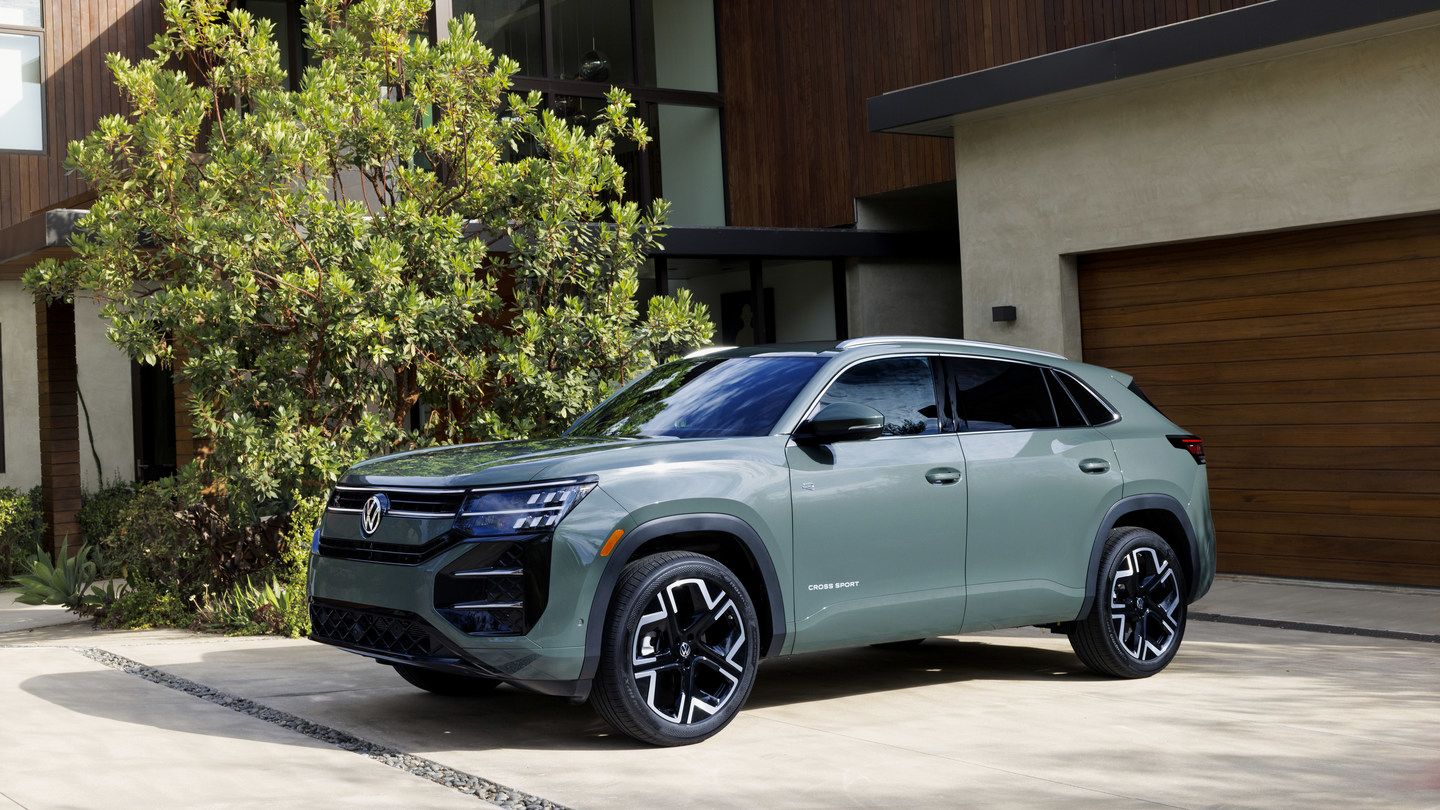
Volkswagen Announces the Redesigned 2027 Atlas Cross Sport for Canada
A redesigned SUV always raises questions. Alberta shoppers eyeing a two-row midsize option are about to get answers, as Volkswagen has unveiled the...
Read morePowered and developed by