
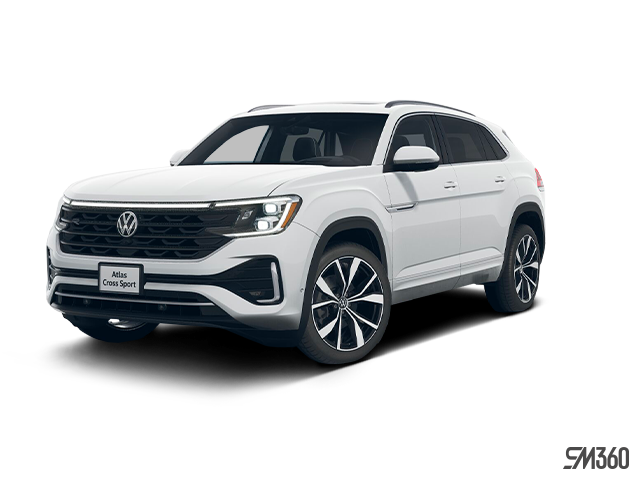
Photo for illustrative purposes only.
Find out more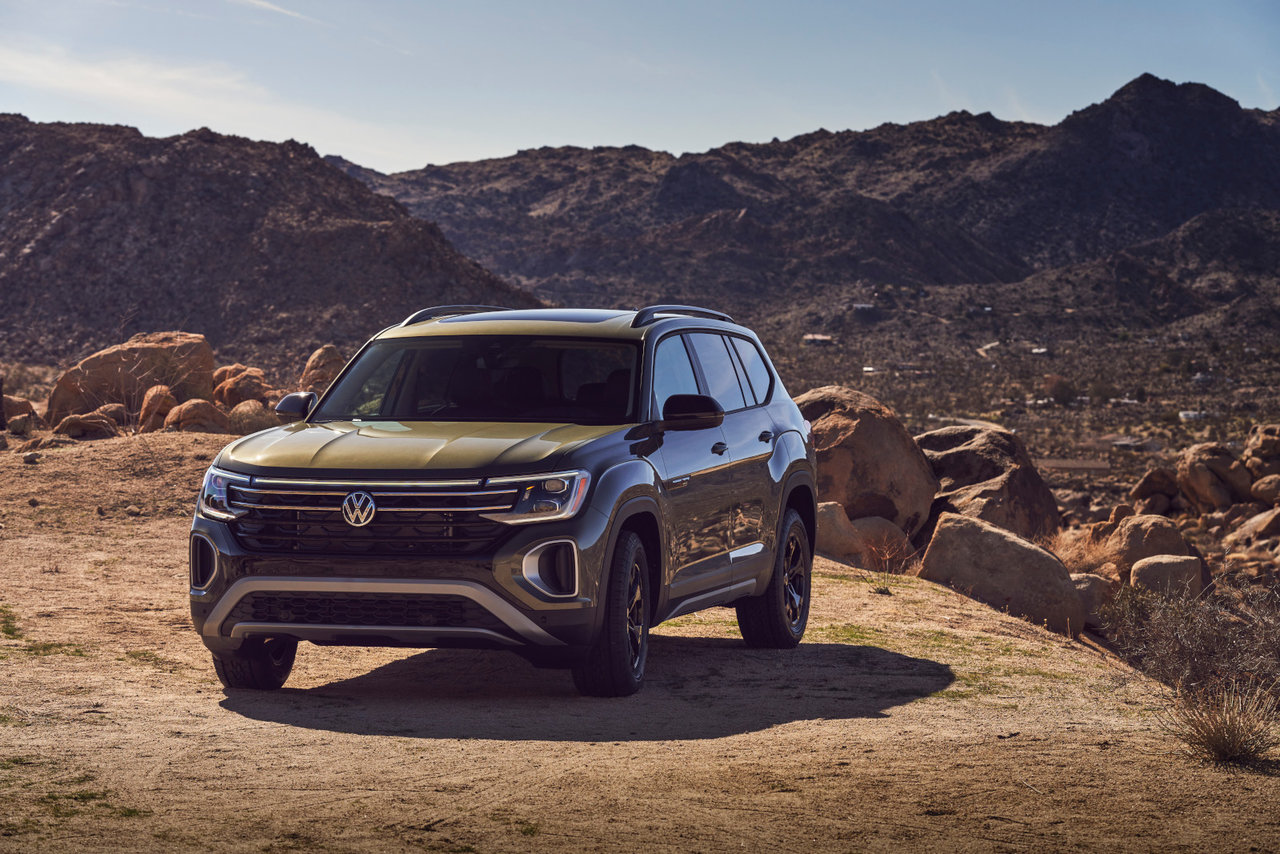
Choosing between the 2026 Volkswagen Atlas and Atlas Cross Sport starts with a simple question: do you need three rows of seating, or will two rows with a sportier profile serve you better? Both SUVs share Volkswagen's 2.0 TSI turbocharged engine, 4MOTION All-Wheel Drive, and 5,000 lb (2,268 kg) towing capacity, but they diverge in passenger capacity, dimensions, and driving character. Understanding these differences helps families match their vehicle to their daily routines.
This comparison examines the practical trade-offs between the seven-seat Atlas and the Atlas Cross Sport. We'll explore how each model balances cargo flexibility, cabin space, and manoeuvrability to help you determine which configuration aligns with your family's needs.
|
Specification |
2026 Atlas |
2026 Atlas Cross Sport |
|
Seating Capacity |
7 passengers |
2 rows |
|
Cargo Volume (seats folded) |
2,735 L |
2,197 L |
|
Length |
5,097 mm |
4,968 mm |
|
Height |
1,787 mm |
1,729 mm |
|
Curb Weight |
2,050 kg |
1,985 kg |
|
Engine |
2.0 TSI turbocharged (269 hp, 273 lb-ft) |
2.0 TSI turbocharged (269 hp, 273 lb-ft) |
|
Towing Capacity |
5,000 lb (2,268 kg) |
5,000 lb (2,268 kg) |
Both models rely on the same 2.0 TSI turbocharged engine producing 269 hp and 273 lb-ft of torque. This four-cylinder powerplant pairs with an 8-speed automatic transmission featuring Tiptronic for manual gear selection when desired. The 4MOTION All-Wheel Drive system comes standard on both vehicles, distributing power to all four wheels for improved traction in Alberta's variable weather conditions.
Towing capacity remains identical at 5,000 lb (2,268 kg) for both the Atlas and Atlas Cross Sport. This capability handles boat trailers, utility trailers, or camping equipment without distinction between the two models. The Atlas consumes 11.0 L/100 km in mixed driving, while the Cross Sport achieves 10.7 L/100 km.
Both SUVs include Driving Profile Selection with an ECO driving mode, plus a start/stop system with regenerative braking to optimize efficiency during city driving. Speed-sensitive power steering adjusts effort based on vehicle speed, providing lighter steering in parking situations and firmer response at highway speeds.
The Atlas accommodates seven passengers across three rows, making it suitable for families with multiple children, carpooling arrangements, or frequent passenger transport. The third row provides functional seating for adults on shorter trips or children on longer journeys. All three rows access the same 2,980 mm wheelbase, which determines legroom distribution throughout the cabin.
The Atlas Cross Sport eliminates the third-row bench, prioritizing second-row comfort and cargo access. The Cross Sport's 1,729 mm height sits 58 mm lower than the Atlas, contributing to a sleeker roofline that reduces rear headroom slightly but enhances the vehicle's athletic appearance.
Families who regularly transport more than five people benefit from the Atlas's additional seating row. Those who rarely fill all seats may prefer the Cross Sport's simplified interior layout and easier cargo loading through the rear hatch.

The Atlas offers 2,735 L of cargo space with all rear seats folded flat. This maximum volume accommodates building materials, sports equipment, or furniture. The Atlas's longer 5,097 mm body provides a deeper cargo floor when the third row is in use, maintaining usable luggage space behind the rearmost seats. Folding the third row expands capacity substantially, while folding both rear rows creates the full 2,735 L volume. This multi-stage flexibility suits families who alternate between passenger and cargo priorities.
The Atlas Cross Sport provides 2,197 L of cargo space with the second row folded. The 4,968 mm length makes it 129 mm shorter overall. The lower 1,729 mm height positions the cargo floor closer to the ground, reducing the lift required when loading heavy items. Urban drivers who parallel park frequently appreciate the reduced length.
The Atlas measures 5,097 mm long, 1,990 mm wide (excluding mirrors), and 1,787 mm tall. Its 2,050 kg curb weight reflects the additional structure and seating hardware required for three rows. The 2,980 mm wheelbase provides stability at highway speeds and distributes weight evenly across all four wheels.
The Atlas Cross Sport spans 4,968 mm in length, matching the Atlas's 1,990 mm width but standing 58 mm lower at 1,729 mm tall. Its 1,985 kg curb weight makes it 65 kg lighter than the Atlas, primarily due to the eliminated third-row components. The shared 2,980 mm wheelbase maintains the same turning radius for both models despite the length difference.
Drivers who navigate tight parking structures, narrow residential streets, or crowded shopping areas benefit from the Cross Sport's reduced length and height. The Atlas's larger footprint suits families who prioritize interior space over urban agility.
The Atlas Cross Sport Highline 4MOTION trim includes the Harman Kardon Premium Audio System with 10 speakers plus subwoofer, along with the Discover Pro navigation system. The 12.0-inch touchscreen infotainment system supports wireless App-Connect for Android Auto and Apple CarPlay, while the Volkswagen Digital Cockpit Pro provides a 10.25-inch configurable instrument cluster.
Driver assistance features include an Area View 360° camera system, Park Distance Control with front and rear sensors, and Adaptive Cruise Control with Stop & Go functionality. The power tailgate offers Easy Open and Easy Close functions, while KESSY keyless access allows proximity unlocking and push-button start. Remote start enables cabin preconditioning before entry.
Convenience features span heated exterior mirrors with power-autofolding and memory, dual-zone electronic climate control, and heated washer nozzles for winter operation. USB Type-C ports deliver fast-charging performance for mobile devices, and wireless charging accommodates compatible smartphones. A 115V power outlet at the rear of the centre console powers small appliances or electronics.
The Atlas serves families who regularly transport six or seven people, whether for carpooling, extended family outings, or youth sports teams. The third row provides flexibility for varying passenger loads without sacrificing cargo capability when seats fold flat. Buyers who prioritize maximum interior volume and don't mind the larger exterior dimensions find the Atlas's configuration practical.
The Atlas Cross Sport appeals to families with one or two children, couples who occasionally need rear passenger space, or buyers who prefer a sportier aesthetic. The lower roofline and reduced length enhance curb appeal while maintaining capable cargo performance. Drivers who value easier parking and a more athletic stance choose the Cross Sport.
Both models deliver identical towing capacity, engine performance, and 4MOTION All-Wheel Drive capability. The decision hinges on whether you need seven seats regularly or prefer a two-row layout with enhanced manoeuvrability.
The 2026 Volkswagen Atlas and Atlas Cross Sport offer distinct approaches to family SUV design while sharing core mechanical components. Your choice depends on passenger count requirements, cargo usage patterns, and urban versus highway driving priorities. Book your test drive today at Straightline Volkswagen Medicine Hat to compare both models in real-world conditions and determine which configuration serves your family best.
Photo for illustrative purposes only.
Find out more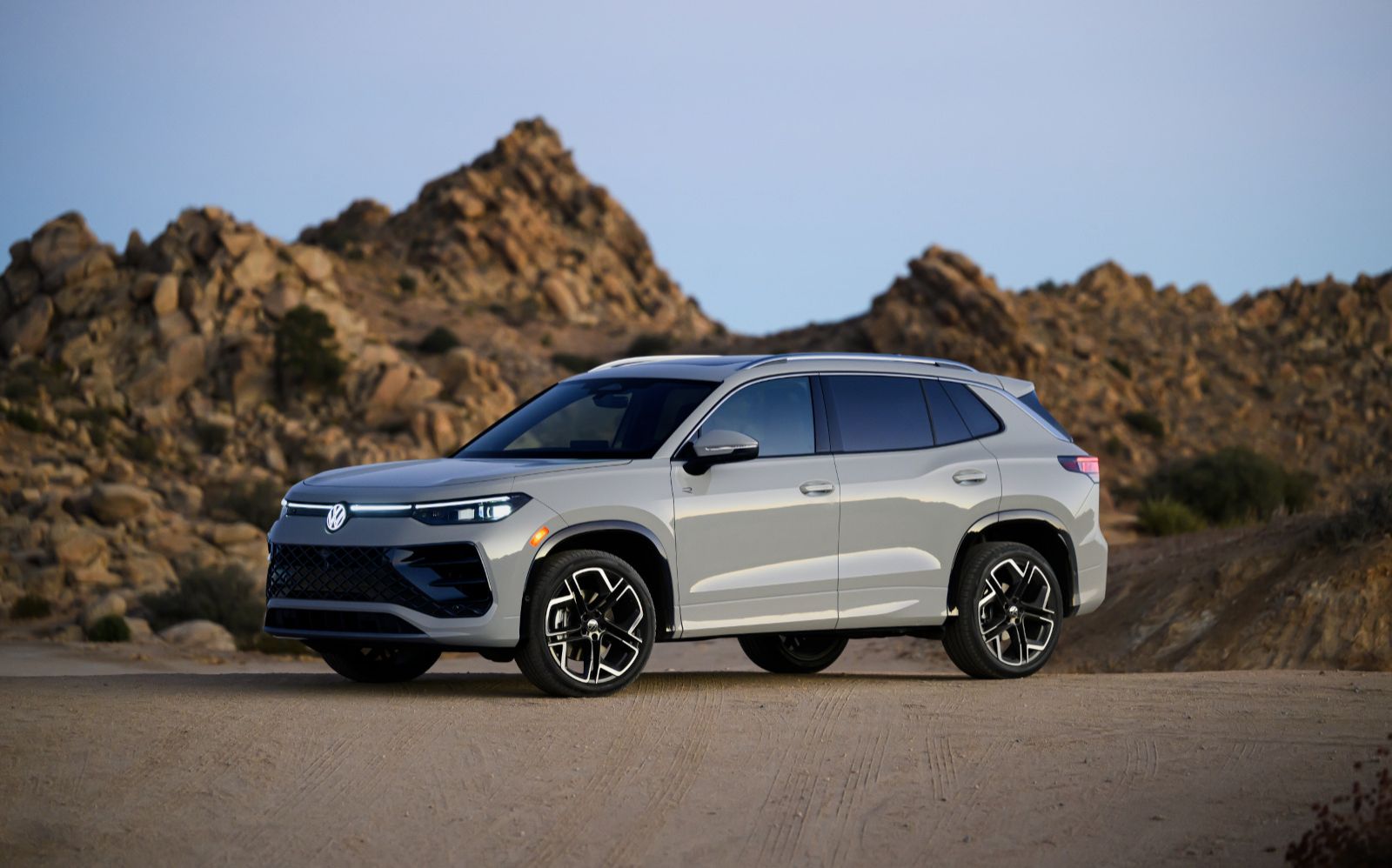
Advanced Safety Technology in the 2026 Volkswagen Tiguan for Alberta Drivers
The 2026 Volkswagen Tiguan arrives with a completely redesigned safety architecture that addresses the unique demands of Alberta driving. Built on...
Read more
A Comprehensive Guide to Volkswagen Canada Warranties
When purchasing a new or certified pre-owned vehicle, warranty coverage is often as important as horsepower, fuel efficiency, or interior space. It...
Read more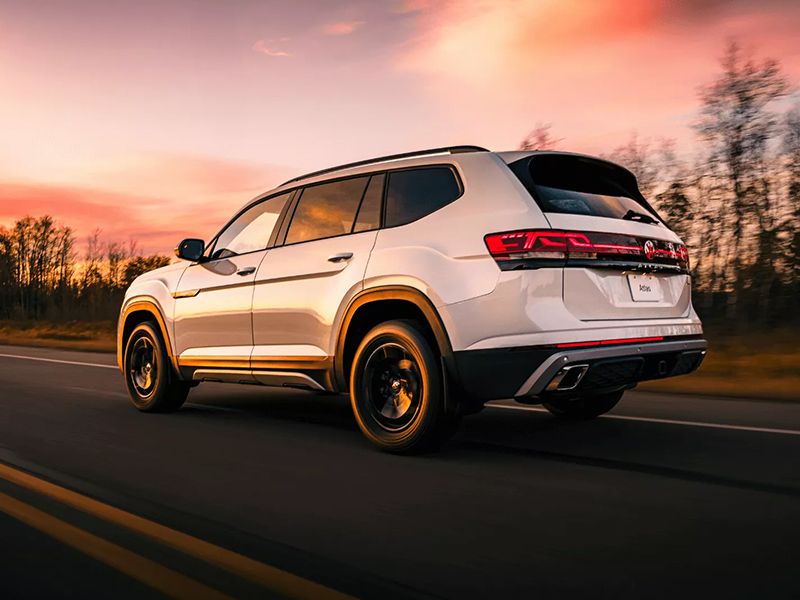
We Answer All of Your Questions About the 2026 Volkswagen Atlas
The 2026 Volkswagen Atlas remains one of the largest vehicles in the brand’s lineup, designed with families and active lifestyles in mind. With...
Read morePowered and developed by